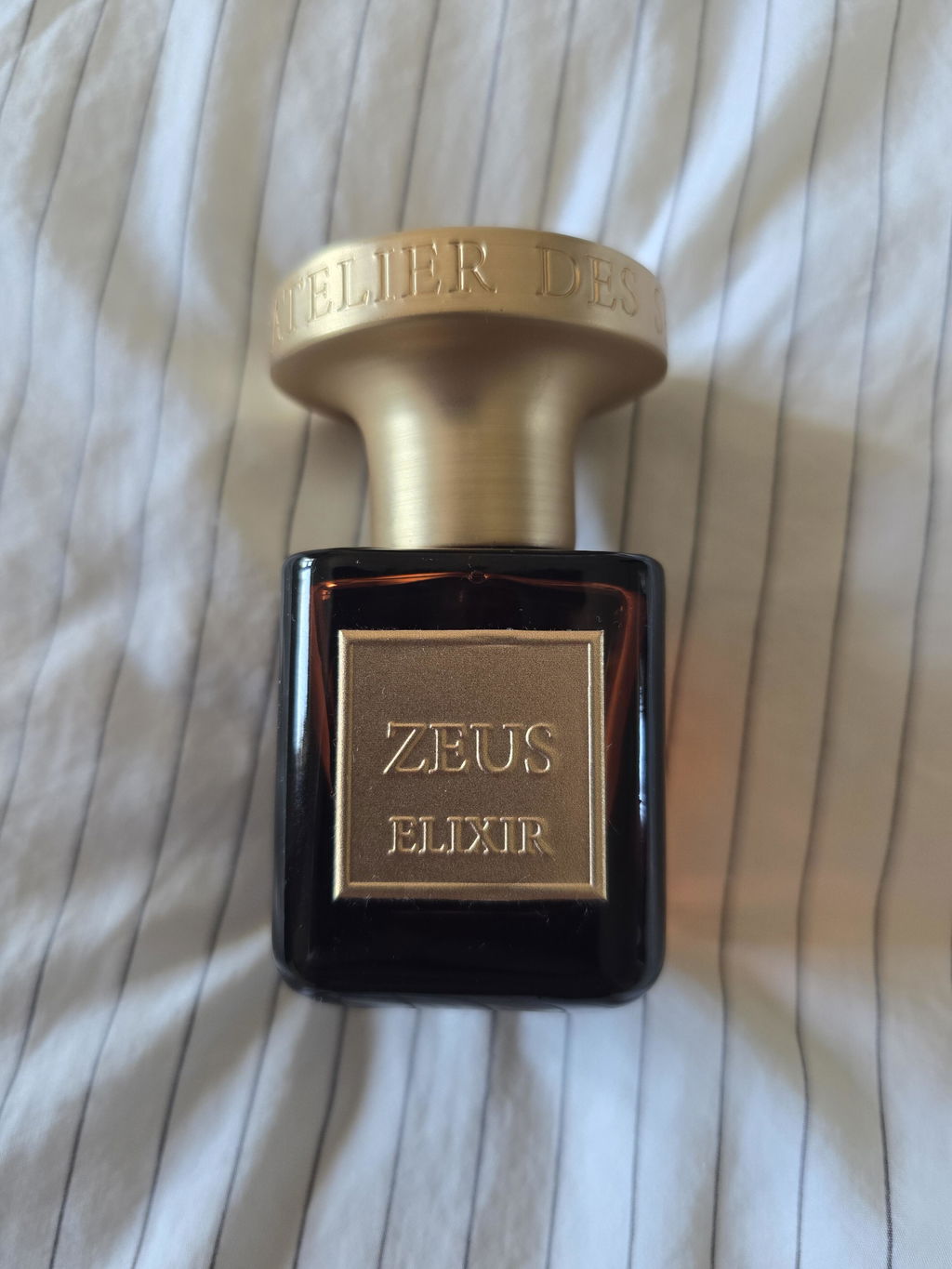
Why does perfume smell different on everyone? The short answer is that the perfume in the bottle stays the same, but the surface it evaporates from does not.
Your skin has its own temperature, hydration level, oil content and physical properties. Those factors can influence how quickly individual fragrance materials leave the skin and reach the air around you. The result may feel sweeter, drier, softer, sharper or simply less noticeable than the same perfume on someone else.
That difference is one reason buying fragrance from a blotter, a friend's wrist or a ten second first spray can be misleading.
The better approach is to treat skin as part of the wearing environment, not as a magical ingredient that rewrites the formula.
|
DO NOT CHOOSE A FRAGRANCE FROM SOMEONE ELSE'S SKIN Use the ADS Fragrance Finder to narrow the collection by mood, sweetness and atmosphere, then test the strongest match on your own skin. |
Quick Answer: Why Does Perfume Smell Different on Different People?
Perfume can smell different on different people because fragrance molecules evaporate from skin at different rates.
Skin hydration, surface properties, temperature and the individual fragrance materials all influence that release. Your natural skin odour, products already on the skin and the surrounding climate can also change what you perceive.
The formula itself has not turned into another perfume. What changes is the balance and timing of what reaches your nose.
What Does Skin Chemistry Actually Mean in Perfume?
The phrase skin chemistry sounds more mysterious than it needs to.
In fragrance, it is useful shorthand for the physical and chemical conditions present where perfume is applied. That includes moisture, skin lipids, surface texture, temperature and other characteristics that can affect evaporation.
A 2025 study published in the International Journal of Cosmetic Science measured fragrance evaporation on volunteers and found that differences in skin properties were associated with differences in how fragrance molecules evaporated.
The researchers also found that the effect depended on the individual fragrance molecule rather than following one universal rule.
That is an important correction to a common perfume myth. There is no single skin type that automatically makes every perfume sweeter, stronger or longer lasting.
Does Skin pH Change the Smell of Perfume?
Skin pH is often treated online as the main explanation for every fragrance difference. The evidence is more nuanced.
Skin properties can affect fragrance evaporation, but recent research does not support a simple rule such as acidic skin makes citrus stronger or alkaline skin makes woods stronger.
The 2025 evaporation study measured several skin characteristics and found that the influence of skin properties differed according to the fragrance molecule. That is more useful than the common online claim that one pH range predictably amplifies one family of notes.
So pH may be part of the environment, but it should not be used as a shortcut for predicting exactly how a finished perfume will smell on you.
Why Skin Hydration Matters
Hydration can change the way a fragrance leaves the skin.
Perfume does not sit on an identical surface from one wearer to the next. A dry forearm and a well hydrated forearm differ in their physical properties, and those differences can influence evaporation.
For the wearer, the practical lesson is simple: if you are comparing two perfumes, test them under similar conditions. Do not judge one after applying it to freshly moisturised skin and another on very dry skin several days later.
Consistency makes comparison more useful.
Do Oily and Dry Skin Wear Perfume Differently?
They can, but broad rules should be treated carefully.
Oil, hydration and other surface properties influence the environment from which fragrance molecules evaporate. Current research supports variation between people, but it does not justify a universal rule that oily skin always makes every perfume richer or longer lasting.
What you should avoid is assuming that oily skin guarantees long wear or that dry skin automatically ruins a fragrance.
Formula design, concentration, individual aroma materials, spray amount, climate and where you apply the perfume all matter too.
Body Temperature Changes the Wearing Environment
Fragrance reaches your nose through evaporation.
Temperature affects that process. Research into perfume release from skin specifically treats temperature as a variable because warmer conditions can alter the rate at which volatile materials move into the air.
This helps explain why a perfume tested in a cool shop may feel different on a warm afternoon or after you have been moving around.
The change does not necessarily mean the perfume suddenly became stronger in every respect. Some materials may become more obvious earlier while others recede faster
Perfume on Skin Versus Paper: Why the Difference Matters
A blotter is useful because it gives you a clean, repeatable surface for comparing openings.
It is not your skin.
A 2025 Talanta study compared fragrance evaporation from several surfaces, including an inert surface, a model membrane, a perfume test strip and human skin. The researchers observed different release behaviour across those surfaces.
That is why a paper strip is best used for elimination and comparison.
If a perfume survives the blotter test, move it to skin before making an expensive decision.
Use Paper to Shortlist
A blotter helps you compare several fragrances without covering your arms in competing scents. It is especially useful for spotting immediate dislikes.
Use Skin to Decide
Skin tells you how the perfume develops in the environment where you will actually wear it. Give it enough time to move beyond the first spray.
Why a Perfume Can Smell Great on a Friend but Wrong on You
This is the situation that makes skin chemistry feel personal.
You smell a fragrance on someone else and it seems perfect. You buy it, spray it on yourself and suddenly the balance feels different.
Several things may have changed at once:
-
Their skin and yours release fragrance molecules differently.
-
Their body temperature may be different.
-
They may have applied the perfume hours before you smelled it.
-
You may be smelling their drydown while judging your own opening.
-
Their skincare, soap or other scented products may affect the background.
-
The temperature and humidity may be different.
-
Your own perception of the fragrance changes when you wear it continuously.
This is why buying a fragrance simply because it smells beautiful on someone else is a gamble.
Use their perfume as a lead, not as proof that it will wear identically on you.
Can Skin Turn a Perfume Into a Completely Different Scent?
Usually, that is an exaggeration.
Your skin does not rewrite the formula inside the bottle. A rose, tobacco, vanilla or oud composition does not become an unrelated fragrance because it touched another person.
What can change is emphasis.
One material may disappear faster. Another may remain more noticeable. The overall balance can therefore feel warmer, drier, sweeter or quieter.
That distinction makes fragrance advice more credible. The differences can be real without becoming mystical.
Why the Drydown Matters More Than the First Spray
The first minute is the least reliable moment to decide whether a perfume belongs in your collection.
Alcohol is still evaporating. More volatile materials are prominent. The deeper structure has not had enough time to settle into the wearing environment.
If you are choosing a full bottle, pay attention to what remains after one hour, several hours and, ideally, a second wear.
That is particularly important with ADS fragrances because their official note structures contain strong contrasts.
Zino begins with tobacco and cherry, then moves through honey, white flowers and warm spices into coffee, leather, agarwood and tonka bean.
Rozzo opens with rose, peach and blackcurrant before jasmine, oud, almond powder, vanilla and caramel. Spiros begins with melon and cherry, followed by chocolate and white flowers, then musk, tonka bean and vanilla.
None of those note lists can tell you exactly which part your skin will make most noticeable.
If the note structure itself is unfamiliar, use the ADS perfume notes guide before comparing the drydown.
|
COMPARE THE FULL COMPOSITION, NOT ONE NOTE Explore Zino, Rozzo and Spiros as complete fragrance structures, then sample the profile that best matches your preferences. |
How to Test Perfume So Skin Chemistry Does Not Mislead You
You cannot remove individual variation from fragrance testing, but you can make the process much more reliable.
1. Test on Clean Skin
Avoid strongly scented body lotion, soap or another perfume in the same area. You want to evaluate the fragrance, not an accidental layering combination.
2. Use the Same Number of Sprays
If you are comparing fragrances, keep the application reasonably consistent. One heavy application and one light application are not useful comparisons.
3. Do Not Rub the Wrists Together
For a controlled comparison, spray and let the fragrance dry without rubbing it into the skin or transferring it between wrists. The point is not that rubbing magically destroys perfume molecules. It simply changes the testing method and makes side by side comparisons less consistent.
4. Give It Several Hours
Judge the opening, the middle and the later drydown. A perfume you dislike immediately may become more interesting, and an exciting opening may become tiring.
5. Wear the Finalist Again
A second wear reduces the chance that mood, weather or an unusual day controls the entire decision.
6. Test in the Setting Where You Will Wear It
If you want an everyday fragrance, wear it through an ordinary day. If you want something for warm weather, test it in warm weather.
For the complete buying process, read How to Test Perfume Before Buying Online.
Can Moisturiser Make Perfume Last Longer?
Moisturised skin creates a different surface from very dry skin, so the evaporation profile may change for some fragrance materials.
However, it is better to treat moisturiser as part of your testing routine than as a guaranteed longevity trick.
If you normally use an unscented moisturiser, test fragrance that way. If you normally apply to bare skin, test that way.
The most useful result is the one that reflects how you will actually wear the perfume.
Does Diet, Hormones or Medication Change Perfume?
Diet, hormones and medication are frequently presented online as direct explanations for how specific perfume notes will behave, but those claims are usually stated with more certainty than the available fragrance evaporation evidence supports.
Changes in physiology, skin condition, personal odour or products used on the body can alter the background against which a fragrance is perceived. That is different from claiming that a specific food, hormone level or medication will predictably turn particular perfume notes sweeter, sharper or stronger.
For a buying guide, the safest advice is practical: if a fragrance suddenly seems very different from how you remember it, test it again under ordinary conditions before deciding the perfume itself has changed.
How Skin Chemistry Should Change the Way You Buy Perfume
Skin chemistry should make you more deliberate, not more anxious.
You do not need to discover your exact skin pH or identify a scientific fragrance compatibility score.
You need a reliable testing process.
-
Use notes and fragrance families to create a shortlist.
-
Use a fragrance finder to reduce the options further.
-
Use blotters to eliminate obvious mismatches.
-
Wear the best candidates on your own skin.
-
Judge the drydown, not only the opening.
-
Repeat the test before committing to an expensive full bottle.
That process respects both the science and the personal side of perfume.
What This Means for Choosing Zino, Rozzo or Spiros
If you are deciding between ADS fragrances, start with the profile rather than predicting exactly how your skin will change it.
Choose Zino if its tobacco, cherry, honey, spice, coffee, leather, agarwood and tonka structure sounds closest to what you already enjoy.
Choose Rozzo if you are drawn to rose, peach and blackcurrant moving into jasmine, oud, almond, vanilla and caramel.
Choose Spiros if melon and cherry with chocolate, white flowers, musk, tonka bean and vanilla feels closer to your taste.
Then test.
The note list gets you to the right door. Your own skin tells you whether you want to walk through it.
|
FIND THE PROFILE BEFORE YOU TEST THE PERFUME The ADS Fragrance Finder asks how you want a fragrance to feel, how much sweetness you enjoy and which atmosphere feels most like you. |
Why Perfume Smells Different on Everyone: The Decision That Matters
The same perfume can wear differently from one person to another because fragrance is evaporating from different skin under different conditions.
Recent research supports the idea that skin properties influence fragrance molecule evaporation, but it also shows why simplistic rules are unreliable.
Your goal is not to beat skin chemistry.
It is to test perfume in a way that lets you see how the full composition behaves on you.
Shortlist intelligently. Use paper for comparison. Use skin for the real decision. Give the fragrance enough time to become itself before you decide whether it can become yours.
Frequently Asked Questions
Why does perfume smell different on everyone?
Perfume can smell different on everyone because skin properties, temperature and the individual fragrance materials influence how quickly scent molecules evaporate. The formula remains the same, but the balance and timing of what reaches the nose can change.
Does skin chemistry really affect perfume?
Yes, skin properties can affect fragrance evaporation. Recent research measured differences between volunteers and found that skin characteristics influenced different fragrance molecules in different ways.
Why does perfume smell better on someone else than on me?
You may be smelling a different stage of the fragrance, and their skin, application, environment and background scents differ from yours. Always test the perfume on your own skin before buying.
Does perfume smell different on skin than on a paper strip?
Yes. Research comparing fragrance release from test strips and human skin found different evaporation behaviour across surfaces. Use paper to shortlist and skin to decide.
Does dry skin make perfume disappear faster?
Dryness can affect the wearing surface, but there is no universal rule that predicts every perfume. Formula, spray amount, temperature and the individual fragrance materials also matter.
Should I moisturise before applying perfume?
If moisturiser is part of your normal routine, use an unscented product and test consistently. Do not treat moisturiser as a guaranteed performance trick.
How long should I test perfume before buying it?
Give it several hours and, for a significant purchase, wear the finalist again on another day. The drydown is often more useful than the first few minutes.