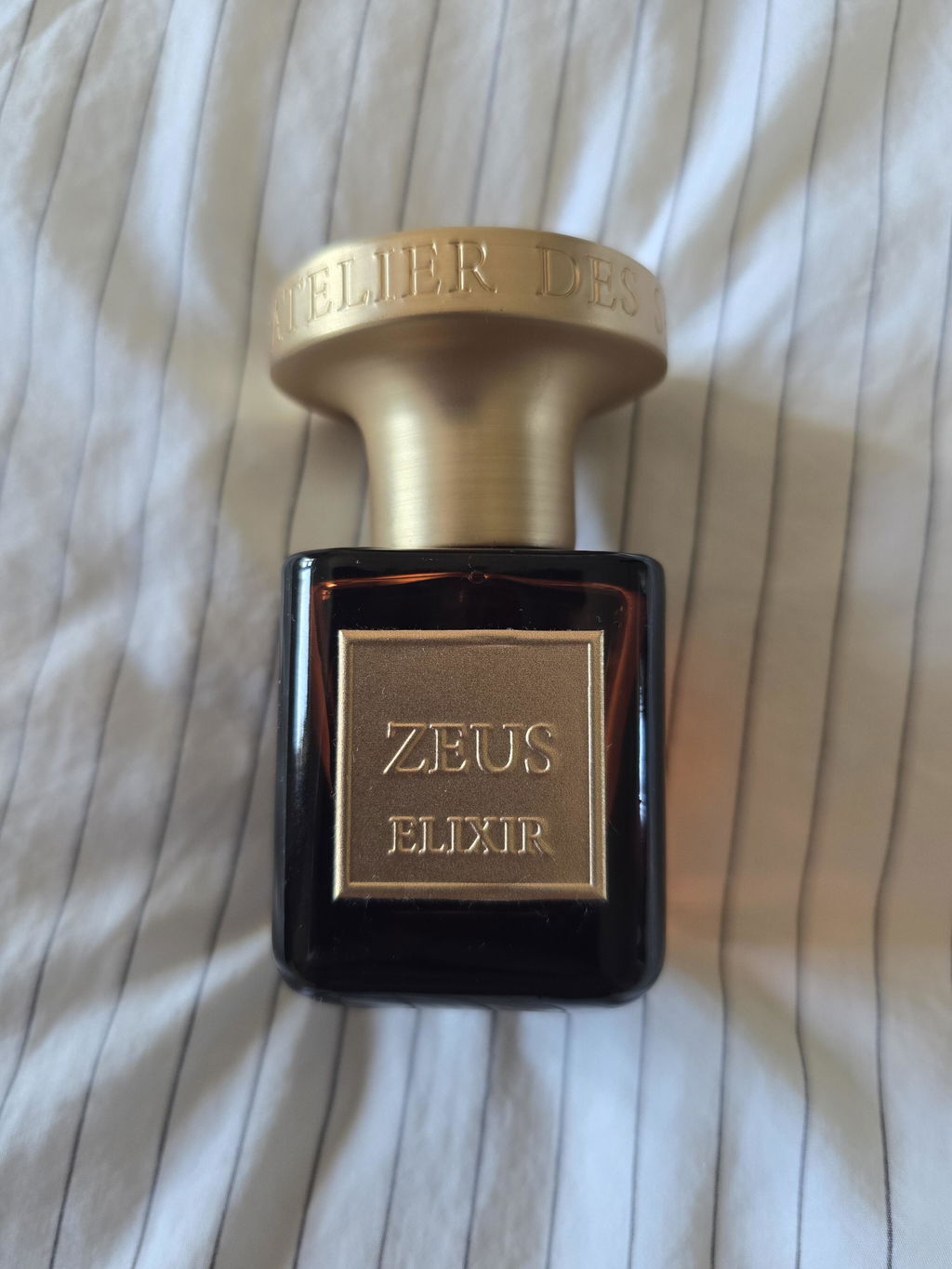
Winter changes the context around perfume. Heavy coats replace light layers, indoor heating competes with cold air outside, and the bright fragrance that felt effortless in summer can suddenly seem too sheer—or simply less satisfying for the mood of the season. Winter fragrances also have to move between very different environments in the same day.
That is why winter perfumes are usually chosen less by one “correct” note and more by texture. Tobacco, vanilla, amber, spice, oud, leather, woods and dark fruit can all create warmth and depth. But a winter fragrance does not have to be sweet, smoky or overpowering. A fresh woody scent can work beautifully in December if it still has enough structure to feel complete.
The most useful question is not “Which perfume is strongest in winter?” It is: what kind of presence do you want in cold weather - warm and enveloping, dark and woody, floral with depth, gourmand and comforting, or bright with a grounded base?
This guide uses that question to compare winter scent directions, explain how colder conditions can change the wearing experience, and show which current Atelier des Sens profiles are worth investigating based on their published note structures.
Quick answer: what makes a good winter perfume?
A good winter perfume is one that still feels satisfying in colder conditions and suits the spaces where you will actually wear it. The best winter perfumes are not simply the darkest or sweetest bottles in a collection: warm woods, amber-like resins, vanilla, tonka, tobacco, spice, oud, leather and richer fruit or floral structures are useful directions because they create depth and texture. But “winter” is not a rule that forces every fragrance to be dark or sweet.
Temperature can influence how volatile fragrance molecules leave a surface, while skin properties also affect evaporation.
A 2025 in-vivo study found that both fragrance-molecule properties and individual skin characteristics can influence release after application. The practical takeaway is simple: use winter note families as a shortlist, then test the finished perfume on your own skin in the conditions where you plan to wear it. Read the open-access evaporation study.
ADS winter perfumes at a glance
Based on the current official note structures, these four ADS profiles offer distinct routes into winter fragrance. They are not ranked as universal winners; they are starting points for different tastes. Check the live product page for current availability before purchasing.
|
Fragrance |
Winter direction |
Published notes that matter |
Consider if you enjoy |
|---|---|---|---|
|
Zino |
Dark, warm, tobacco-led |
Tobacco, cherry, honey, warm spices, coffee, leather, agarwood, tonka |
Tobacco, spice, leather and richer evening-style profiles |
|
Rozzo |
Floral / oud with sweetness |
Rose, peach, black currant, jasmine, oud, almond powder, vanilla, caramel |
Rose and fruit with darker woody contrast |
|
Spiros |
Fruity gourmand warmth |
Melon, cherry, chocolate, white flowers, musk, tonka, vanilla |
Fruit over a warm gourmand base without tobacco or oud |
|
Hesperide |
Bright woody contrast |
Lemon, mandarin, green notes, jasmine, iris, cedarwood, vetiver, amber, tonka |
A fresher opening with a grounded woody base |
FIND YOUR WINTER PROFILE → Use the ADS Fragrance Finder
1. Why perfume can feel different in winter
Perfume does not develop in a vacuum. Temperature, airflow, skin properties, concentration and the chemistry of individual fragrance materials all influence how quickly scent molecules reach the air around you.
Research on fragrance evaporation shows that temperature affects evaporation kinetics, while skin hydration, roughness and transepidermal water loss can also change how different molecules behave. That is a better explanation than the oversimplified claim that “winter automatically makes perfume last longer”. The effect depends on the formula, the wearer and the environment.
In practical terms, a fragrance that depends heavily on a sparkling top may feel less expansive outdoors on a cold day, while a composition with vanilla, woods, resins, leather, tobacco or other slower-feeling base materials may retain more of the character you were hoping for. Once you move indoors, heating and warm skin can change the picture again.
This is why the best winter perfume is not necessarily the heaviest fragrance in your collection. A good cold-weather perfume is the one whose full drydown still feels balanced as you move between cold streets, transport, heated rooms and evening settings.
2. Which perfume notes work well in winter?
Several scent directions appear repeatedly across winter fragrances because they create warmth, texture or contrast. Think of these as useful categories rather than rules.
Tobacco, spice and leather
Tobacco can feel dry, sweet, honeyed or smoky depending on the composition. With cherry, honey, warm spice, coffee, leather and tonka, the effect becomes layered rather than simply “smoky”. If this is your preferred winter territory, the ADS guide to tobacco perfume notes explains the category in more detail.
Oud, woods and resins
Oud, cedarwood, vetiver, incense-like resins and labdanum can create a darker or more structured base. But a woody winter fragrance does not have to feel heavy. Citrus, iris or green notes can keep the top brighter while woods anchor the drydown. For the broader family, see the ADS guide to woody perfume.
Vanilla, tonka and gourmand warmth
Vanilla and tonka can create softness, warmth and sweetness. Chocolate, caramel, honey, coffee and fruit can push the composition further into gourmand territory. The important question is whether you want sweetness to lead or simply round the base.
Dark fruit and florals
Cherry, black currant, peach, rose and jasmine can work beautifully in winter when they sit beside deeper base materials. This is why a rose-and-oud structure can feel completely different from a light rose cologne. Read the ADS guide to rose and oud perfume if that contrast appeals to you.
Fresh woods for people who dislike heavy perfume
You do not have to abandon citrus or green notes because it is cold. A bright opening over cedarwood, vetiver, amber or tonka can provide contrast: freshness first, structure later. This is often the easiest route for someone who finds syrupy gourmands or smoke-heavy scents tiring.
3. How to choose a perfume for winter by scent direction
The phrase “perfume for winter” is useful only when you translate it into the experience you actually want. Start with one of these five directions.
Warm and enveloping
Look for vanilla, tonka, amber-like resins, honey, soft spice or creamy woods. This is the cosy route, but it does not need to smell edible.
Dark and magnetic
Consider tobacco, leather, oud, coffee, incense-like materials, dark woods or black pepper. These profiles tend to feel more deliberate and are often easier to overapply indoors.
Floral with depth
Choose rose, jasmine or white flowers supported by oud, vanilla, woods or almond. The flowers remain visible, but the base gives them a winter-weighted structure.
Gourmand and playful
Chocolate, caramel, cherry, vanilla, tonka or honey can make winter perfume feel indulgent. Decide whether you want obvious sweetness or a gourmand accent around woods and musk.
Bright but grounded
Citrus, green notes, iris and white flowers can stay relevant in winter when cedarwood, vetiver, amber or tonka add a structured base.
4. Four ADS fragrances to investigate for winter
The following recommendations are based on current official note structures, not on invented performance scores. Skin, temperature, application and personal perception can all change the experience.
Zino: tobacco, cherry and warm spice
Zino opens with tobacco and cherry, moves through honey, white flowers and warm spices, then settles into coffee, leather, agarwood and tonka bean. On paper, that structure sits naturally inside the classic winter territory of tobacco, warmth, leather and darker woods.
If you already enjoy tobacco, spice, coffee, leather or deep gourmand contrasts, Zino is the first ADS profile to investigate. Because the composition is rich, test it in the indoor environments where you would actually wear it rather than assuming more application is better.
Rozzo: rose, fruit and oud
Rozzo combines rose, peach and black currant with jasmine, then oud, almond powder, vanilla and caramel. The result on paper is not a straightforward “dark oud” profile. Fruit and florals provide lift while the base adds sweetness and woody depth.
Choose this direction if you want a winter fragrance that still feels visibly floral and fruity. Rozzo also links naturally to the rose-and-oud family without reducing either note to a stereotype.
Spiros: fruit over chocolate, tonka and vanilla
Spiros lists melon and cherry at the top, chocolate and white flowers at the heart, then musk, tonka bean and vanilla. That gives it a different winter route: brighter fruit above a warm gourmand foundation.
Consider Spiros if tobacco, leather or oud feels too dark for your taste but you still want sweetness and depth for colder weather.
Hesperide: brightness over cedarwood and vetiver
Hesperide opens with aldehydes, lemon, mandarin, spice and green notes, then jasmine, white flowers and iris, finishing with cedarwood, vetiver, amber and tonka bean.
This is the most useful reminder that winter perfumes do not have to be heavy. If you want a bright opening with a drier, grounded base, Hesperide offers a different route from the richer profiles above.
5. How to test winter perfumes properly
A winter perfume should be tested in winter-like conditions whenever possible. A note list can identify a direction, but it cannot predict the finished experience on your skin.
Start with paper, finish on skin
Use a blotter to reject obvious mismatches, then test the shortlist on clean skin. Skin is the final decision surface because fragrance molecules interact with it differently from paper.
Judge the drydown, not just the opening
Winter-friendly base notes often become clearer after the brighter opening has faded. Give the fragrance enough time to reveal the part you will actually wear for hours.
Test indoors and outdoors
Walk outside, then return to a heated interior. You are not trying to conduct a laboratory experiment; you are checking whether the fragrance still feels balanced through the transitions of a normal winter day.
Avoid testing too many at once
Two or three candidates are enough. If every blotter begins to blur together, stop and return later rather than forcing a decision.
Wear your favourite again on another day
A second wear helps separate genuine preference from the excitement of a first impression. Weather, mood and setting can all change how much you enjoy a scent.
Use real-life context
Test the fragrance in the situation you intend to use it: office, dinner, weekend, travel or evening event. If your main use is a shared workspace, the ADS office-perfume guide should govern application and etiquette rather than winter mood alone.
For a complete sampling workflow, use the ADS guide on how to test perfume before buying online.
6. Winter perfume versus autumn perfume: where is the line?
There is no official date when an autumn fragrance becomes a winter fragrance. The useful distinction is functional rather than calendar-based.
Autumn often works as a transition: you may still want brightness, fruit or florals, but with more warmth underneath. Winter usually pushes the same decision further. You may reach more often for deeper woods, tobacco, richer vanilla, resins, leather or dense gourmand structures—or simply apply your fresher fragrance differently because you are moving between colder outdoor air and heated rooms.
If you already own several fragrances, treat winter as one role inside a collection rather than an excuse to duplicate bottles. The ADS guide to building a perfume wardrobe is useful for identifying whether you actually have a gap.
7. Can you wear fresh perfume in winter?
Absolutely. Seasonality is a preference framework, not a restriction.
Fresh winter perfumes can be especially effective when they combine brightness with structure. Citrus and green notes can keep a scent energetic, while cedarwood, vetiver, iris, amber or tonka give the later stages more weight. If you dislike dense sweetness, that contrast may be more wearable than forcing yourself into a heavy gourmand simply because the temperature dropped.
The same principle works in reverse: a rich perfume is not automatically forbidden in summer. The composition, amount applied, environment and personal taste matter more than the season label.
8. Winter perfume for women or men: should gender decide?
Gender labels can be useful for retail navigation, but they are not necessary for choosing a winter scent. A rose-and-oud fragrance, tobacco gourmand, citrus woody or vanilla-based composition can work on any wearer who enjoys the profile.
A more useful filter is texture and presence: Do you want bright or dark? Dry or sweet? Floral or smoky? Close to the skin or more expressive? Those questions are more likely to lead you toward a bottle you will actually wear.
9. How much winter perfume should you apply?
There is no universal spray count. Extrait de Parfum, Eau de Parfum and Eau de Toilette are not interchangeable, and two fragrances at the same concentration can still behave very differently.
Start conservatively, especially when you will spend most of the day indoors, and adjust only after you understand the fragrance on your skin. Strong projection is not automatically better performance if it makes the scent uncomfortable in a restaurant, office or shared car.
For general ingredient-safety context, the International Fragrance Association maintains standards that can prohibit, restrict or specify conditions for certain fragrance materials based on scientific assessment. See the IFRA Code of Practice.
READY TO SHORTLIST? → Start with the Fragrance Finder or browse the fragrance collection, then skin-test before committing.
Frequently asked questions about winter perfumes
What are the best perfume notes for winter?
Common winter directions include vanilla, tonka, amber-like resins, tobacco, warm spices, oud, leather, woods, chocolate, coffee and darker fruit or florals. They are useful starting points, not rules. The best note family is the one that matches your taste and feels balanced on your skin.
What is the best winter perfume?
There is no single best winter perfume for everyone. Choose by scent direction first. Zino suits a tobacco-and-spice route, Rozzo a floral/oud route, Spiros a fruity gourmand route and Hesperide a brighter woody route based on their current published note structures.
Can I wear summer perfume in winter?
Yes. A fragrance does not become wrong when the season changes. If you still enjoy it, wear it. You may simply notice that the scent feels different outdoors or that you prefer a more structured base in colder conditions.
Do winter perfumes last longer?
Not automatically. Temperature can influence evaporation, but formula, skin properties, application and environment also matter. Avoid treating season as a guaranteed longevity hack.
Are winter perfumes always sweet?
No. Winter perfume can be dry, woody, smoky, leathery, floral, spicy, green or even citrus-led. Sweet vanilla and gourmand profiles are only one part of the category.
What is a good winter perfume for women?
Instead of choosing by gender alone, decide which profile you prefer: floral oud, gourmand warmth, tobacco and spice, or fresh woods. Rozzo may appeal to floral/oud preferences, while Spiros offers a fruitier gourmand direction.
What is a good winter perfume for men?
The same principle applies. Zino offers tobacco, spice, leather and agarwood; Hesperide provides a brighter citrus-and-wood structure. Both should be tested on skin rather than chosen by gender label alone.
Should I buy a winter perfume without sampling?
For a premium niche fragrance, sampling is the safer decision whenever possible. Notes can create a shortlist, but the drydown and comfort on your skin determine whether the bottle belongs in your collection.
Conclusion: choose a winter texture, not a winter stereotype
The most useful way to shop winter perfumes is to stop asking which bottle is objectively “most winter” and start asking which kind of warmth, depth or contrast you actually want. The best winter perfumes are the ones that fit that preference and still work in your real routine.
Tobacco and leather can create darkness. Vanilla and tonka can soften a base. Oud and woods can add structure. Rose and fruit can keep the composition expressive. Citrus, iris and vetiver can give you a winter fragrance that still feels bright.
Use note families to build the shortlist. Use the full composition to understand the direction. Then let your own skin, environment and routine make the final decision.