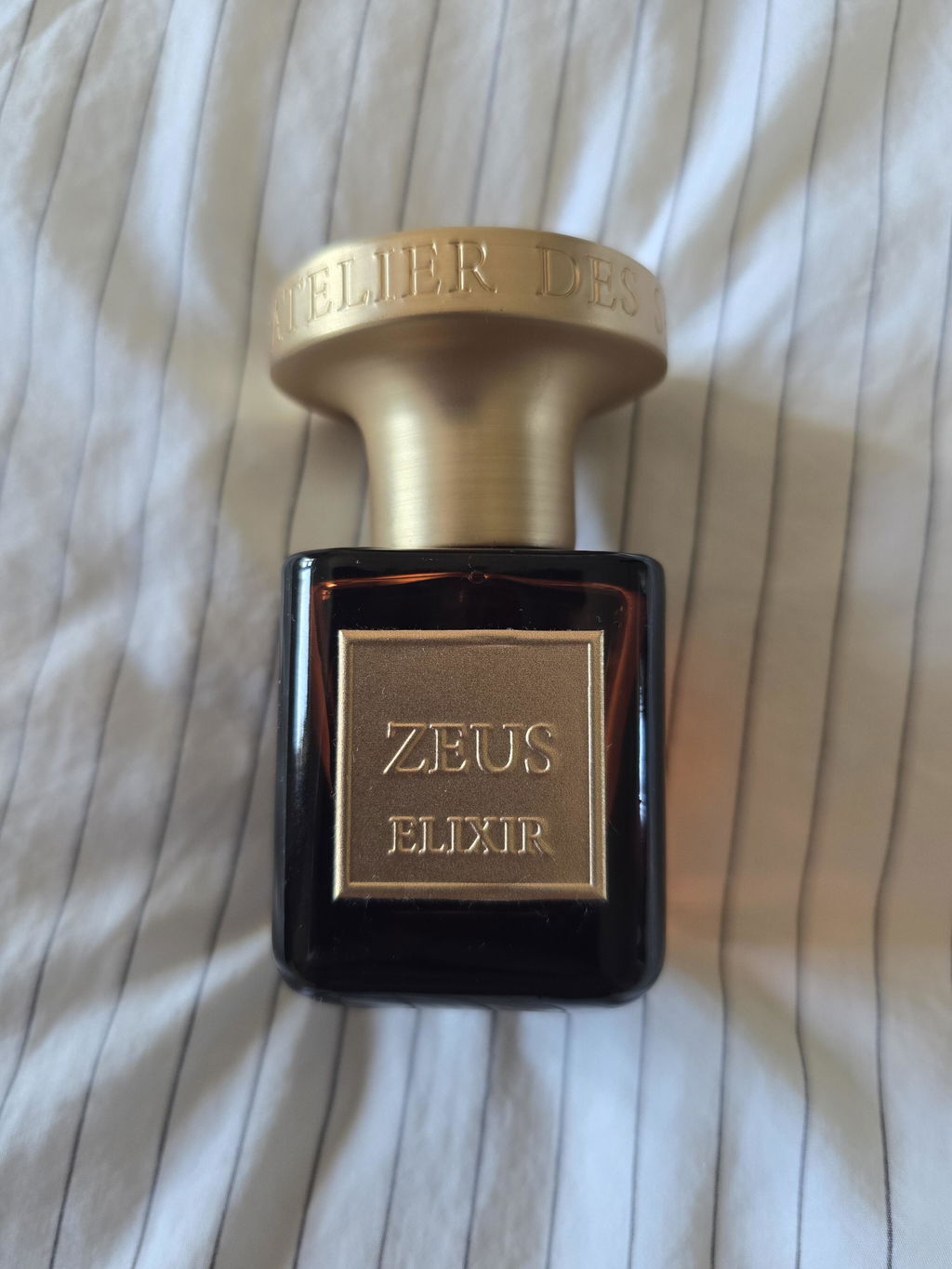
Perfume at work has a different job from perfume on a night out. You still want to feel like yourself, but you are wearing fragrance in lifts, meeting rooms, shared desks, trains and client conversations where other people cannot choose the air around them.
That makes the best office perfumes less about finding the loudest bottle or the longest trail and more about balance. A strong work fragrance feels polished at conversational distance, fits the rhythm of your day and does not require everyone around you to participate in it.
The useful question is not “What perfume smells professional?” There is no universal smell of professionalism. The better question is: which fragrance profile feels refined on you while staying considerate in the space where you work?
This guide shows how to choose an office perfume by scent direction, environment and application, then compares the Atelier des Sens fragrances that make the most sense to investigate for work based on their current published note structures.
Quick answer: what makes the best office perfume?
The best office perfume is one you enjoy at close range, that remains comfortable in a shared environment and that fits your actual workday. Fresh citrus, green notes, soft florals, iris, clean woods, cedar and vetiver are common starting points because they can read as bright and composed without needing a heavy sweet or smoky profile.
But note family alone does not make a fragrance “office-safe”. Concentration, formula, skin chemistry, weather, how much you apply and the sensitivity of people around you all matter. Start lighter than you would for an evening, observe the scent after the opening has settled, and respect any fragrance-free workplace policy.
ADS office fragrances at a glance
|
Fragrance |
Published note direction |
Best office role to investigate |
Watch-out |
|---|---|---|---|
|
Hesperide |
Aldehydes, lemon, mandarin, green notes; jasmine, white flowers, iris; cedarwood, vetiver, amber, tonka |
Best starting point for a bright, clean, polished daytime profile |
Still an Extrait de Parfum: test your own application level rather than assuming “fresh” means faint |
|
Spiros |
Melon, cherry; chocolate, white flowers; musk, tonka bean, vanilla |
Creative or casual workplaces when you want more warmth and personality |
Fruit + gourmand materials can read sweeter; test in the room where you will actually wear it |
|
Rozzo |
Rose, peach, blackcurrant; jasmine; oud, almond powder, vanilla, caramel |
Client-facing or desk-to-dinner days if you enjoy richer floral-woody contrast |
More expressive on paper than Hesperide; use a controlled application in close spaces |
|
Zino |
Tobacco, cherry; honey, white flower, warm spices; coffee, leather, agarwood, tonka |
A bold alternative for less scent-sensitive settings or after-work transition |
Dense tobacco/leather/oud profile is not the obvious first choice for a tightly shared office |
1. Why office perfume is a different fragrance brief
A work fragrance has to coexist with other people for hours. That changes the decision criteria. In a restaurant or at an event, a more dramatic scent trail may be part of the experience. In a meeting room, the same intensity can feel intrusive because the audience did not opt in.
There is also no single office. An open-plan studio, a private office, a hospital, a retail floor and a client-facing boardroom all have different norms. The safest approach is to treat shared airspace as part of the dress code: understand the environment first, then choose the fragrance.
This is especially relevant because sensitivity to smells is real. The Migraine Trust notes that odours are frequently reported among potential migraine triggers and that sensitivity to smells can also appear as part of a migraine attack. That does not mean perfume is automatically inappropriate at work; it means consideration matters more than “compliment factor”.
2. Which fragrance styles tend to work well for the office?
Fresh citrus and green notes
Citrus, aldehydes and green notes can create a bright opening that feels clean and composed. Hesperide is the clearest ADS example on paper: lemon, mandarin, green notes and aldehydes lead into jasmine and iris before cedarwood and vetiver provide structure.
The important distinction is that “fresh” does not automatically mean weak. Hesperide is still an Extrait de Parfum, so the right office application has to be discovered through testing rather than assumed from the note list.
Soft florals and iris
White flowers, jasmine, rose and iris can feel polished without being sterile. The office-friendly version of a floral is not defined by gender; it is defined by how the whole composition behaves around you. Iris can add a clean, powdery impression, while jasmine or rose may become richer when paired with sweet or woody base notes.
Dry woods, cedar and vetiver
Cedarwood and vetiver are useful if you want structure without relying on sweetness. They can make a fragrance feel tailored and grounded, particularly after a brighter citrus or floral opening. If you want a deeper explanation of woody materials, keep that education on the dedicated woody-perfume article once its live canonical is confirmed rather than duplicating it here.
Warm or gourmand notes — with restraint
Vanilla, tonka, caramel, chocolate, honey and warm spice are not automatically “wrong” for work. They simply need more judgement in a small shared space because the profile can become richer and more enveloping. Spiros, Rozzo and Zino all contain warmer materials, so sampling matters more than choosing from the note list alone.
3. How to choose the right office perfume for your workday
Open-plan office
Prioritise control. Choose a profile you enjoy when it sits close to you, then apply less than you would for an evening. The aim is not to become invisible; it is to keep your fragrance inside your personal space as much as the formula allows.
Client meetings and presentations
A polished fragrance can be part of feeling prepared, but it should never compete with the conversation. Test the scent in a realistic indoor environment before making it your meeting-day default. If you can still smell a strong cloud around yourself long after application, that is useful feedback.
Creative or relaxed workplaces
You may have more room for expressive fruit, floral, gourmand or woody contrasts. Spiros and Rozzo are the more adventurous ADS profiles to investigate here, but the same consideration rule applies: creative freedom is not the same thing as unlimited projection.
Hybrid work and commuting
A commute compresses people into trains, lifts and shared cars before you even reach the desk. Apply with the commute in mind, not only the size of your office. A fragrance that feels subtle in an open room can feel much larger in a crowded carriage.
Desk-to-dinner days
If you want one perfume that can carry into the evening, choose a composition with enough base depth to feel interesting later rather than overspraying a stronger fragrance in the morning. Rozzo or Spiros may be worth testing for this role. Zino is a richer direction again, so it deserves an especially careful real-world trial before you make it a weekday default.
4. How much perfume should you wear to work?
There is no universal spray count that works for every perfume. One spray of a concentrated, diffusive formula can be more noticeable than several sprays of a lighter composition. Skin, clothing, temperature, ventilation and the fragrance itself all change the result.
A better office rule is to start lighter than your social or evening application, then evaluate after the opening has settled. Avoid immediately topping up simply because your own nose has adapted to the scent. If your workplace has a fragrance-free policy, follow it.
Where you apply also changes the experience. Skin lets you evaluate the full development of the perfume. Fabric can hold fragrance differently and may retain it for longer, so test cautiously and avoid spraying delicate materials unless you know the product will not mark them.
5. Test an office perfume in the environment where it needs to work
A perfume can seem perfect on a blotter and feel completely different once it develops on skin. The Perfume Society recommends using blotters to narrow options, then testing on skin because the fragrance develops with your body chemistry. That advice becomes even more useful for office fragrance because the setting is part of the test.
Wear the candidate on an ordinary workday rather than only at home. Notice the scent after the commute, after an hour indoors and later in the afternoon. Ask yourself whether you still enjoy the drydown, whether the profile feels appropriate around colleagues and whether you feel tempted to over-reapply.
For the full sampling method, continue with How to Test Perfume Before Buying Online.
6. Office fragrance by season
Season can change which parts of a fragrance feel most noticeable, but it should remain a secondary filter. In warmer months, bright citrus, green notes and cleaner woods may feel easier. In cooler weather, you may prefer more warmth from tonka, vanilla, amber or spice — but shared-space restraint still matters.
Do not turn this into four separate office wardrobes unless that genuinely suits you. One well-tested fragrance can work across most of the year if you adjust application and are comfortable with how it develops.
7. Common office perfume mistakes
Choosing by gender label instead of scent profile. Fresh, floral, woody and gourmand directions can all be worn across gender categories. The note structure is more useful than the label.
Assuming expensive means appropriate. Luxury does not equal subtle. A beautifully made fragrance can still be too expressive for a particular workplace.
Blind-buying a full bottle for work. Office wear is repetitive. A sample that survives several real workdays is much more informative than a single first impression.
Reapplying before every meeting. Your own nose adapts. Reapplication can increase the scent around you even when you no longer notice it strongly.
Ignoring colleagues or workplace policy. If a team member is sensitive to fragrance or your workplace asks for scent-free spaces, consideration takes priority over personal preference.
Making one fragrance do every job. Your best office perfume does not have to be your date-night, formal-event or signature scent. A fragrance wardrobe can assign different roles without forcing one bottle into every context.
Related guide: How to Build a Perfume Wardrobe
8. A simple office perfume decision framework
|
Step |
Decision |
|---|---|
|
Define the room |
Open plan, private office, client meetings, healthcare, retail or hybrid commute? |
|
Choose the scent direction |
Fresh/green, soft floral, dry woody or a controlled warmer profile. |
|
Shortlist from current stock |
Use the ADS collection and Fragrance Finder rather than choosing from mood copy alone. |
|
Test on blotter, then skin |
Eliminate obvious mismatches, then judge the perfume through its drydown. |
|
Wear it on a real workday |
Evaluate the commute, indoor environment, afternoon drydown and how much application you actually need. |
|
Keep consideration as the final filter |
If the fragrance feels too present for the space, reduce application or choose another profile. |
Which ADS fragrance should you start with for work?
If you want the most straightforward office direction from the current ADS range, Hesperide is the logical first fragrance to investigate on paper because its published structure begins with aldehydes, citrus, green notes and spice before moving through white flowers and iris into cedarwood and vetiver.
If you want more personality, compare Spiros and Rozzo. Spiros brings fruit, chocolate, white flowers, musk, tonka and vanilla; Rozzo combines rose, peach and blackcurrant with jasmine, oud, almond powder, vanilla and caramel. Zino is the richest office candidate on paper, with tobacco, cherry, honey, spice, coffee, leather and agarwood, so it is better treated as a deliberate choice than a default recommendation for close shared spaces.
These are note-structure comparisons, not guarantees about projection, compliments or performance on your skin. Test the scent before turning it into a work staple.
FIND YOUR WORK FRAGRANCE
Use the ADS Fragrance Finder to narrow the collection by mood and scent preference, then test the strongest match in your real work environment.
COMPARE THE CURRENT COLLECTION
Review the published note structures for the current Atelier des Sens fragrances and shortlist the profile that best fits your workplace.
Explore the fragrance collection
Conclusion: the best office perfume respects both you and the room
The best office perfumes do not need to smell generic, sterile or forgettable. They need to feel intentional. Start with a scent direction you genuinely enjoy, then judge it through the realities of your workplace: shared space, commute, ventilation, dress code and the people around you.
For Atelier des Sens, Hesperide is the clearest clean and structured starting point on paper, while Spiros and Rozzo offer more expressive alternatives and Zino sits at the richer end of the spectrum. The right choice is the one that survives a real workday without making you feel underdressed or making everyone else feel overexposed to your fragrance.
Choose the profile, test the drydown, apply with restraint and let the fragrance become part of your presence rather than the first thing that enters the room.
Frequently asked questions
What is the best perfume to wear to the office?
The best office perfume is one you enjoy at close range, that feels appropriate for your environment and that you can apply with control. Fresh citrus, green, soft floral and dry woody profiles are useful starting points, but the finished formula matters more than any single note family.
How strong should perfume be at work?
There is no universal strength or spray count. Start lighter than your evening application and evaluate the fragrance after the opening settles. In close shared spaces, consideration matters more than maximum projection.
Can I wear oud perfume to the office?
Yes, if the specific composition and application work in your environment. Oud can appear in clean, floral, sweet, smoky or leathery structures. Test the finished perfume rather than assuming every oud fragrance behaves the same way.
Is Extrait de Parfum too strong for work?
Not automatically. Concentration labels alone do not tell you exactly how far a fragrance will project. Formula and application matter. Because ADS fragrances are Extraits, test your own application carefully in the workplace where you plan to wear them.
Should office perfume be different for men and women?
No. Workplace suitability is better judged by scent profile, intensity and context than by gender labels.
How do I test a perfume for work before buying a full bottle?
Start with the note structure and a blotter, then test the fragrance on skin. Wear the candidate on an ordinary workday and judge the commute, indoor setting and later drydown before committing.
What should I do if my workplace is fragrance-free?
Follow the policy. If a colleague has expressed sensitivity to fragrance, treat that as part of the workplace environment and choose a scent-free day rather than trying to find a perfume that is “safe enough”.