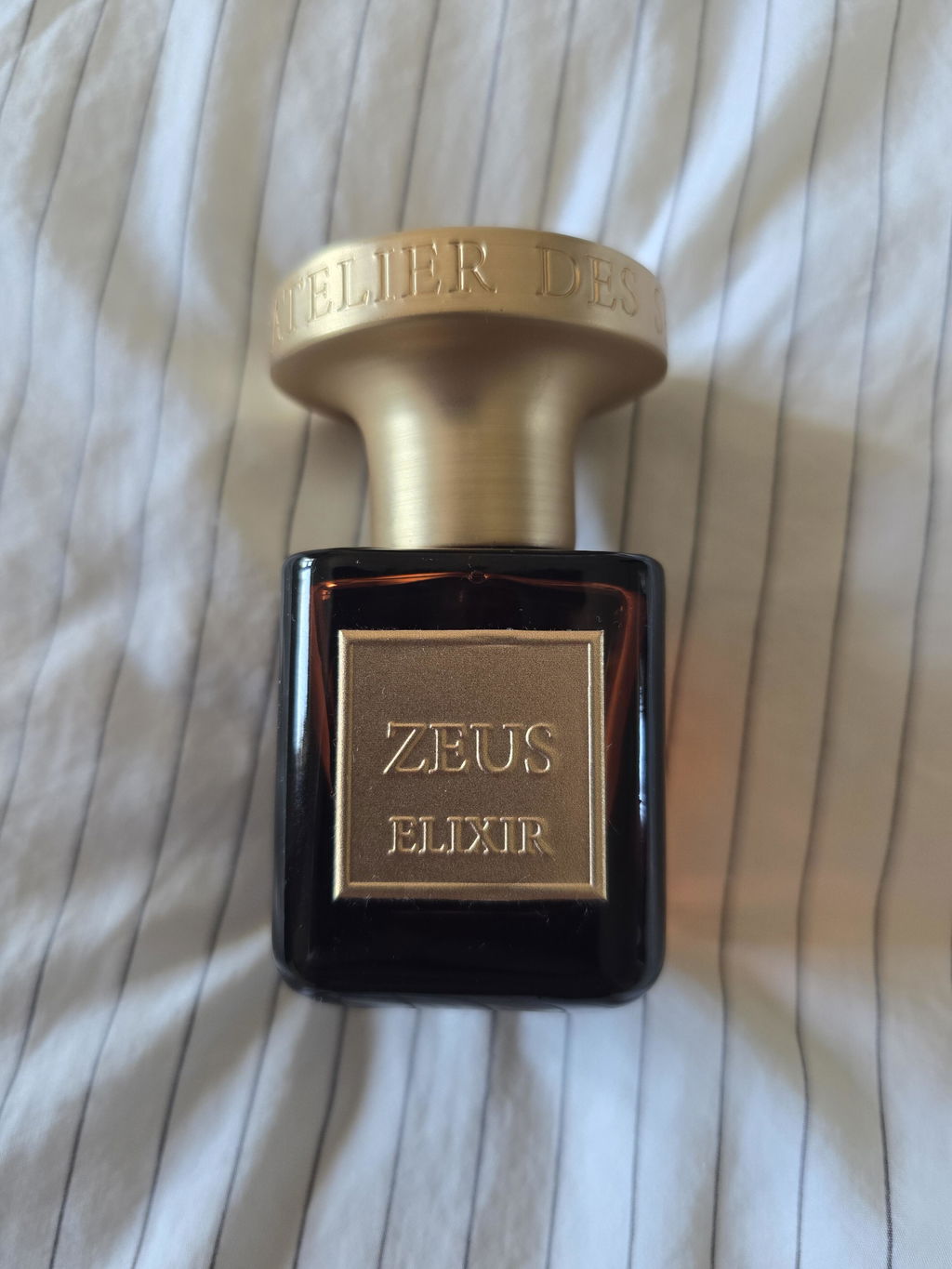
Autumn changes the way many people want fragrance to feel.
After months of bright citrus, airy florals or sheer summer scents, cooler mornings and darker evenings can make warmth, wood, spice, tobacco, vanilla, amber and oud feel especially inviting. That does not mean there is one correct fragrance family for the season. It means autumn gives you permission to ask a different question.
What kind of atmosphere do you want your perfume to create now?
The best autumn perfumes are not simply the darkest bottles on a shelf or the strongest fragrances you can find. A good autumn choice still needs to fit your taste, your routine and the temperature where you actually live.
For one person, autumn may mean dry cedar and vetiver. For another, it is cherry, tobacco and warm spice. Someone else may want rose and fruit over a darker base, or a gourmand fragrance that becomes richer as the weather cools.
The useful part of a seasonal guide is not telling you what you must wear. It is helping you understand which scent directions become worth revisiting when the season changes.
QUICK ANSWER: WHAT MAKES A GOOD AUTUMN PERFUME?
A good autumn perfume is usually one that feels comfortable and expressive in cooler conditions. Many people gravitate towards woods, warm spice, tobacco, vanilla, amber, leather, oud and richer fruit or florals at this time of year, but none of those notes is mandatory.
The Perfume Society notes that temperature can change how quickly fragrance materials evaporate and how a scent is perceived. It also makes an important point: seasonal fragrance is still personal. You do not need to stop wearing citrus in October or save every oud perfume for winter.
Instead, look for a composition that gives you the amount of warmth, depth, sweetness and freshness you actually enjoy.
BEST AUTUMN PERFUMES AT A GLANCE
If you are comparing the current Atelier des Sens range for cooler weather, these four fragrances cover four clearly different autumn directions. They are not ranked: the best choice depends on the scent profile you already enjoy and the setting you want it for.
|
Best For |
ADS Fragrance |
Profile to Compare |
|---|---|---|
|
Bright, transitional autumn |
Lemon, mandarin and green notes over cedarwood, vetiver, amber and tonka |
|
|
Warm, spiced and tobacco-led |
Tobacco, cherry, honey and warm spice over coffee, leather, agarwood and tonka |
|
|
Floral with oud depth |
Rose, peach and blackcurrant over jasmine, oud, almond, vanilla and caramel |
|
|
Fruity gourmand warmth |
Melon and cherry over chocolate, white flowers, musk, tonka and vanilla |
WHY PERFUME CAN FEEL DIFFERENT WHEN THE WEATHER CHANGES
Perfume does not become a different formula in October, but the environment around it changes.
The Perfume Society explains that temperature affects how fragrance molecules evaporate and disperse. Warmer conditions can make some scents feel more expansive more quickly, while cooler air can change the pace at which a fragrance develops and the way you experience its top, heart and base.
Recent fragrance research also shows that evaporation on skin depends on the properties of individual fragrance molecules and on the skin itself. That is one reason seasonal advice should never be reduced to a rigid formula.
Autumn therefore works best as a context, not a rulebook.
A rich fragrance you found overpowering during a heatwave may feel more comfortable when the air cools. A very bright summer scent may still work beautifully if that freshness is what you want. The goal is to notice how your fragrance behaves in the conditions you actually wear it in.
5 AUTUMN PERFUME STYLES TO CONSIDER
It is easy to assume that the best autumn fragrances must be dense, sweet and dark.
That leaves out a huge part of the category.
A fragrance can feel autumnal because it has texture rather than sheer weight. Dry cedar can feel crisp. Vetiver can feel earthy and structured. Iris can add a soft, powdery quality. Amber can create warmth. Cardamom can make a composition feel spiced without becoming dense. Rose can remain floral while oud or woods underneath it create greater depth.
Think of autumn perfume in five broad directions:
-
Bright and transitional
-
Woody and polished
-
Warm, spicy and tobacco-led
-
Floral with oud or richer fruit
-
Gourmand with controlled sweetness
You can move between these directions depending on the weather, your wardrobe and the occasion.
Bright and Transitional Autumn Perfumes
Early autumn is often the hardest point to dress for, and fragrance can feel the same way.
A cold morning may turn into a warm afternoon. Heavy coats are not quite necessary, but summer brightness can suddenly feel out of step with the day.
This is where a transitional fragrance earns its place.
Look for citrus, green notes or florals over a base of cedarwood, vetiver, amber or tonka. The opening keeps the perfume alive and luminous. The base brings enough warmth and structure to stop it feeling like a purely hot-weather scent.
Hesperide is a useful ADS example. Its current official structure lists aldehydes, lemon, mandarin, spicy notes and green notes at the top; jasmine, white flowers and iris in the heart; and cedarwood, vetiver, amber and tonka bean in the base.
That combination makes it a clear example of how freshness and autumnal depth can coexist.
You do not have to move directly from summer citrus to tobacco and oud. A perfume with brightness on top and a more grounded base can bridge the season naturally.
Woody Autumn Perfumes: Dry, Creamy or Earthy
Woody perfume is one of the most obvious autumn directions, but it is too broad to treat as a single smell.
Cedar can feel dry and structured. Sandalwood is often perceived as smoother and creamier. Vetiver can bring earthy, grassy, smoky or root-like character. Oud can create a darker, resinous or leathery direction depending on the composition.
This is why "woody" should be the beginning of your reading, not the end.
If you want a cleaner, more polished autumn scent, look for woods with citrus, iris, musk or aromatic notes.
If you want greater warmth, look for woods with amber, tonka, vanilla or spice.
If you want something darker, look at oud, leather, tobacco, incense or resinous structures.
If woody perfume is your main interest, compare dry, creamy and darker wood profiles separately rather than treating “woody” as one fixed smell.
Warm Spice, Tobacco and Leather for Deeper Autumn
Few fragrance directions communicate autumn as quickly as warm spice and tobacco.
The reason is partly emotional. Cinnamon, cardamom, clove, leather, coffee, honey and tobacco can evoke warmth, darker interiors, evening clothes and cooler air even before you think about fragrance chemistry.
But tobacco perfume does not have to smell like smoke, and spice does not have to smell like a kitchen.
In perfumery, tobacco can feel dry, sweet, hay-like, leathery or warm depending on what surrounds it. Honey can smooth it. Cherry can introduce fruit. Tonka can add warmth. Coffee and leather can take the base in a darker direction.
Zino is the clearest ADS example for this autumn profile.
Its current official note structure is:
Top: tobacco and cherry
Heart: honey, white flowers and warm spices
Base: coffee, leather, agarwood and tonka bean
On paper, that gives Zino a richer autumn direction than Hesperide, with fruit and sweetness wrapped around tobacco, spice and darker base materials.
That does not make it universally "better for autumn". It makes it better suited to someone who actively wants that warmer, more shadowed mood.
For a deeper explanation of how tobacco behaves in perfume, read the ADS tobacco perfume notes guide.
Rose, Oud and Fruit: A Deeper Autumn Floral
Autumn does not belong only to woods and tobacco.
Floral perfume can work beautifully in cooler weather when the composition has enough depth around the flowers.
Rose beside peach and blackcurrant feels very different from a transparent spring floral. Add jasmine, oud, almond, vanilla and caramel and the floral side becomes part of a more layered structure.
That is the direction Rozzo takes.
Its current official note structure lists rose, peach and blackcurrant at the top, jasmine in the heart, and oud, almond powder, vanilla and caramel in the base.
For someone who wants an autumn perfume with floral identity rather than pure wood or tobacco, this kind of structure gives you contrast. The fruit keeps the opening expressive. Rose and jasmine keep the perfume floral. Oud and gourmand materials deepen the base.
If you already know you enjoy the relationship between rose and oud, read the ADS rose and oud perfume guide for a deeper breakdown of that pairing.
Gourmand Autumn Perfumes: Use Sweetness With Intention
Autumn is often treated as the official beginning of gourmand season.
That can be useful if you already love vanilla, chocolate, caramel, tonka or almond. It can also lead to buying fragrances that feel much sweeter than your normal taste.
The better approach is to decide how you want sweetness to behave.
Do you want dessert-like sweetness to lead the composition?
Do you want vanilla or tonka only in the base?
Do you want fruit to brighten a gourmand structure?
Do you want woods, spice or musk to stop the sweetness feeling flat?
Spiros demonstrates the fruit-to-gourmand direction. Its current official note structure lists melon and cherry at the top, chocolate and white flowers in the heart, and musk, tonka bean and vanilla in the base.
That makes it useful for someone who wants sweetness but still enjoys a brighter opening.
If you want the warm-weather side of the same topic, read the ADS guide to wearing gourmand perfume in summer. For autumn, the point is simpler: cooler weather may make richer materials more appealing, but your personal sweetness tolerance still matters more than the calendar.
WHICH AUTUMN PERFUME STYLE FITS YOUR TASTE?
After the at-a-glance shortlist, narrow the choice by the atmosphere you actually want to wear.
These are not rankings. They are four different ways to interpret autumn.
If you dislike tobacco, the fact that Zino looks "autumnal" on paper is irrelevant.
If you love fresh openings but want more depth than a summer cologne, Hesperide may make more sense.
If rose is central to your taste, Rozzo can give you a floral route into cooler weather.
If your collection leans sweet, Spiros offers a fruit-and-gourmand structure rather than a purely dark one.
HOW TO CHOOSE AN AUTUMN PERFUME WITHOUT BUYING THE WRONG BOTTLE
Seasonal excitement can make a fragrance sound more suitable than it really is.
Use a simple filter before you buy.
Step 1: Start With a Note Family You Already Enjoy
Do not choose oud because October arrived. If your favourite perfumes are fresh, floral or lightly woody, start there and add depth gradually.
Step 2: Decide How Much Sweetness You Want
Vanilla, caramel, honey, chocolate and tonka can all create warmth. They can also move a composition far from your normal taste.
Step 3: Decide Whether You Want Day or Evening Energy
A fragrance for a commute, office and lunch may need a different level of richness from something you plan to wear to dinner.
Step 4: Read the Whole Note Structure
One autumnal note does not define the fragrance. Cherry with tobacco is different from cherry with chocolate and white flowers. Rose with oud is different from rose with clean musk.
Step 5: Sample or Skin Test When Possible
The note list is a map, not the finished experience. The part you enjoy most may appear later in the drydown.
Step 6: Re-Test in the Conditions You Will Actually Wear It
If you are buying an autumn perfume because you want it for work, wear it through a normal workday. If it is for evenings, test it in that context.
For the full sampling process, read how to test perfume before buying online.
CAN YOU WEAR FRESH PERFUME IN AUTUMN?
Yes.
There is no seasonal rule that removes citrus, green notes, musk or airy florals from your shelf when September ends.
The Perfume Society explicitly treats seasonal scent as a matter of preference as well as climate. Many people enjoy richer perfumes as temperatures fall, but that does not make a fresh fragrance incorrect.
Freshness can also work as contrast.
Lemon over cedarwood and vetiver can feel crisp rather than summery. Green notes beside amber can feel polished. A floral heart over a woody base can bridge seasons more naturally than a dramatic switch to a dense gourmand.
If you wear fresh perfume year round and enjoy it, autumn does not require a replacement.
CAN YOU WEAR OUD OR TOBACCO IN EARLY AUTUMN?
You can, but the amount and composition matter.
A dense tobacco or oud fragrance that feels ideal on a cold November evening may feel more noticeable during a warm September afternoon.
That does not mean you need to avoid it. It means you should test the perfume in real conditions and control application rather than relying on a seasonal category.
The same principle works in reverse. A citrus fragrance can remain useful deep into autumn if you like the contrast.
AUTUMN PERFUME FOR WOMEN OR MEN: SHOULD GENDER GUIDE THE CHOICE?
Not very far.
Retail categories can make browsing easier, but they do not tell you whether a composition fits your taste.
Tobacco, rose, oud, vanilla, cedarwood, cherry, jasmine, amber and vetiver are fragrance materials, not instructions about who should wear them.
A better filter is:
Do you like the opening?
Do you enjoy the sweetness level?
Do the woods feel dry, creamy or dark in a way you enjoy?
Would you wear the drydown repeatedly?
Does the fragrance fit the settings you want it for?
The answer will tell you more than a gender label.
HOW MANY AUTUMN PERFUMES DO YOU ACTUALLY NEED?
Probably fewer than seasonal marketing suggests.
If your current fragrance wardrobe already includes something warm, something woody and something you enjoy for evenings, you may already have autumn covered.
Our guide to building a perfume wardrobe explains how to avoid buying multiple bottles for the same role.
A new autumn fragrance earns its place when it gives you a scent direction you do not already have, or when you have tested it enough to know you will genuinely wear it.
|
NOT SURE WHICH AUTUMN STYLE FITS YOU? Use the ADS Fragrance Finder to narrow the collection by mood, sweetness and atmosphere, then compare the full note structures before committing. Use the Fragrance Finder → https://ads-perfumes.com/pages/fragrance-finder |
|---|
COMMON MISTAKES WHEN CHOOSING AUTUMN FRAGRANCES
Buying the darkest fragrance you can find
Depth and suitability are not the same thing. A dark fragrance can still feel wrong if you dislike tobacco, leather, oud or heavy sweetness.
Assuming vanilla automatically means autumn
Vanilla can appear in bright, airy or warm compositions. Read what surrounds it.
Treating every woody perfume as heavy
Cedarwood and vetiver can create dry structure without making a fragrance dense.
Choosing by season instead of routine
If you need a fragrance for work, choose for work first and autumn second.
Buying before testing the drydown
Many autumn-friendly materials sit in the heart or base. Give the fragrance time.
Ignoring the weather where you live
A mild September afternoon and a cold November evening can be very different wearing environments. Choose for the conditions you actually live in, not the season name alone.
CONCLUSION: THE BEST AUTUMN PERFUME SHOULD FEEL LIKE YOUR VERSION OF THE SEASON
The best autumn perfumes are not defined by one ingredient.
They are defined by the balance you want when the season changes.
You might want lemon, green notes and cedar on a bright October morning. You might prefer tobacco, cherry and warm spice once evenings turn colder. Rose and oud can give autumn a floral centre. Chocolate, vanilla and tonka can make it sweeter.
Start with your own taste.
Use the season to explore a different texture, not to abandon everything you already enjoy.
Read the full note structure. Compare the amount of freshness, sweetness, wood and spice. Test on skin. Wear the finalist in the situations you actually want it for.
Then choose the bottle that still feels right after the seasonal mood board has disappeared.
FREQUENTLY ASKED QUESTIONS
What are the best autumn perfume notes?
Common autumn choices include woods, amber, warm spice, tobacco, vanilla, tonka, leather, oud, patchouli and richer fruit or florals. They are not mandatory. The best notes are the ones that create the amount of warmth and depth you personally enjoy.
What is the best perfume for autumn?
There is no universal best autumn perfume. Choose according to your preferred scent family, sweetness level, routine and climate. A bright woody fragrance can suit one person better than a dense gourmand.
Are woody perfumes good for autumn?
They can be. Cedarwood, sandalwood, vetiver and oud can add structure or warmth, but woody fragrances range from very fresh to very dark. Read the full composition before deciding.
Is vanilla perfume good for autumn?
Vanilla is popular in cooler-weather perfume because it can create warmth and softness, but the surrounding notes matter. Vanilla with fruit and musk feels different from vanilla with tobacco, leather or oud.
Can I wear fresh perfume in autumn?
Yes. Citrus, green, musky and airy floral fragrances can be worn year round. Some people simply prefer richer scent profiles as temperatures fall.
Can I wear summer perfume in autumn?
Yes. If you still enjoy it, keep wearing it. You can also use a brighter fragrance during warmer autumn days and move to a richer option when the weather cools.
Are autumn perfumes different for women and men?
They do not need to be. Gendered retail categories can help with browsing, but fragrance materials themselves are not gendered. Choose by scent profile and personal preference.
Should I buy a new perfume every season?
No. A fragrance wardrobe only needs to be as large as you genuinely use. Add a seasonal perfume when it fills a real gap or when repeated testing shows you will wear it.